Natural Ways to Increase Testosterone
Quick Answer: What Are the Best Natural Ways to Increase Testosterone?
The most reliable natural ways to increase testosterone are lifestyle levers: resistance training and regular exercise, reaching a healthy weight, seven to nine hours of quality sleep, managing stress, limiting heavy alcohol, and correcting vitamin D, zinc and magnesium gaps. A supplement is one lever among several, not a shortcut around them.
- Biggest movers: body weight and sleep, especially for men who are overweight or sleep-deprived.
- Daily foundations: resistance training, less heavy alcohol, and lower chronic stress.
- Fill the gaps: vitamin D, zinc and magnesium support normal hormone function when you are low.
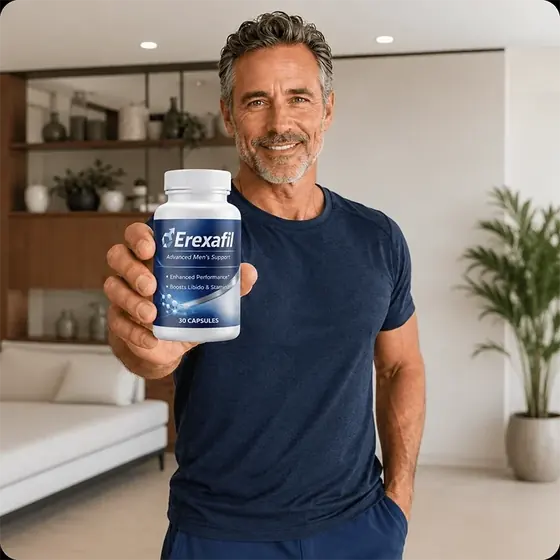
If you are looking for natural ways to increase testosterone, start with a fact that reframes the whole search: a man's testosterone declines by roughly one percent a year from somewhere around age 30 to 40 onward. That slow drift is normal, and it is also partly modifiable. The habits that influence it are not exotic. They are the same unglamorous levers — training, body weight, sleep, stress, alcohol and a handful of nutrients — that a search for a quick fix tends to skip past on the way to the supplement aisle. This guide puts them in the order that actually matters, then places supplementation honestly at the end, as one lever among several rather than the headline act.
Why natural ways to increase testosterone beat chasing a quick fix
The reason the lifestyle levers come first is not moralising; it is effect size. The variables below move testosterone more, and more reliably, than any capsule sold for the purpose. A man who fixes his sleep, drops excess weight and starts lifting will usually see a bigger change than a man who adds a pill to an otherwise unchanged routine. That is not a knock on supplements — it is a statement about where the leverage sits. Getting the order right is the difference between a foundation that works and a shortcut that disappoints.
It also protects you from the biggest trap in this topic, which is treating a symptom as if it were the whole story. Persistently low drive, fatigue or difficulty with erections can have a long list of causes — some of them simple, some of them worth a doctor's attention — and no amount of natural optimisation substitutes for a proper look when symptoms persist. With that framing in place, here are the levers, strongest first.
Exercise: resistance training, HIIT and aerobic work
Movement is the lever most men have the most room to pull. Resistance training — lifting weights, bodyweight work, anything that challenges muscle against load — is the best-studied form for supporting healthy testosterone, and it pays a second dividend by building the muscle that keeps you insulin-sensitive and lean. High-intensity interval training adds a potent metabolic stimulus in short sessions. Regular aerobic exercise contributes too, particularly for men who are starting from sedentary, largely by improving body composition and cardiovascular health.
Set expectations correctly, though. The sharp spike in testosterone you get immediately after a hard session is small and short-lived, and it is not where the durable benefit lives. The lasting effect comes from what training does to your body over months: less fat, more muscle, better insulin sensitivity, better sleep. Those are the conditions under which the body supports normal hormone production. So the winning prescription is not a magic workout — it is consistency across resistance training two to four times a week, some conditioning, and staying generally active, sustained long enough to change your composition.
Body weight: the single biggest lever for many men
For a man carrying excess weight in the obese range, body fat is often the largest modifiable factor of all. Excess fat tissue increases the conversion of testosterone into oestrogen and is tied to the insulin resistance and inflammation that work against healthy hormone levels. The encouraging flip side is well documented: losing that excess weight can raise testosterone, and the more a man has to lose, the larger the potential change.
This is also where men start asking about metabolic supplements, because insulin sensitivity is the shared thread between body composition and hormone production. It is a fair question with a modest answer: the ingredients studied for glucose control work on glucose, not on testosterone, and we go through the best-known of them in our piece on berberine's mechanism, dose and limits. Improving insulin sensitivity through training and fat loss is the lever with the evidence behind it; a capsule aimed at the same target is at best a small addition to that work.
This is also where the levers reinforce each other, which is why chasing them together beats chasing any one alone. Training builds the muscle that burns energy and improves insulin sensitivity. Better sleep improves appetite regulation and recovery. Less alcohol removes empty calories and a direct hormonal drag. Weight loss then amplifies all of it. You do not need a dramatic transformation to benefit — a sustained, moderate reduction in excess fat, held over months, is enough to matter for most men in that range.
Add one honest lever to the foundation
Once training, weight and sleep are moving in the right direction, a formula built on studied nutrients can help fill the gaps. Erexafil pairs zinc, vitamin D3 and niacin with a named botanical blend — see the full label and current options on the official store.
Check Availability & Pricing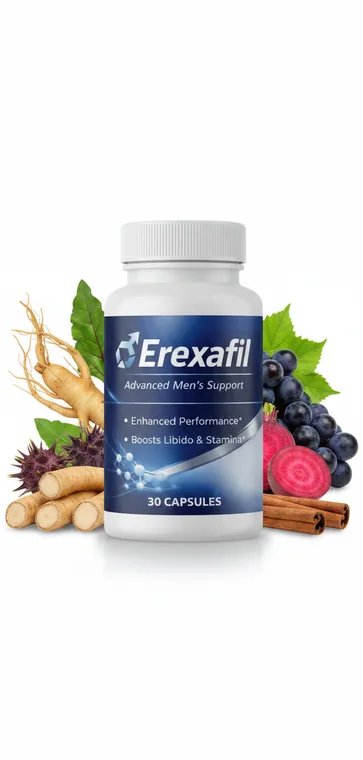
Sleep and stress: the free levers most men ignore
If exercise is the lever men most need to add, sleep is the one they most need to protect. A large share of a man's daily testosterone is produced during sleep, which makes short or fragmented nights one of the most direct ways to depress it. The research here is striking: even about a week of restricting sleep to roughly five hours a night has been shown to lower daytime testosterone meaningfully in healthy young men. Seven to nine hours of genuine, consolidated sleep is not a luxury in this context — it is a hormonal input.
Stress works the other way through the same system. Chronic stress keeps cortisol elevated, and cortisol works in opposition to testosterone; when one stays high for long stretches, the other tends to suffer. This is why managing stress — through training, daylight, downtime, breathing, or simply protecting your sleep — supports normal hormone function rather than being a soft, optional extra. These two levers share a rare quality: they are free, they are powerful, and they are the first things most men trade away in favour of a pill. For most men, that trade is exactly backwards.
Alcohol and the habits that quietly drag T down
Some natural ways to increase testosterone are really ways to stop suppressing it. Heavy alcohol intake is the clearest example: sustained heavy drinking lowers testosterone through several mechanisms, and it piles on empty calories that work against the body-weight lever at the same time. You do not have to be teetotal, but bringing heavy or daily drinking down is one of the more reliable moves available.
A few other quiet drags are worth naming. Chronic under-recovery — training hard while sleeping poorly and eating too little — can push the body into a state that suppresses hormone output rather than supporting it. Very low-fat or severely restricted diets can work against production, because the body needs adequate dietary fat and enough total energy to make hormones. And untreated conditions such as sleep apnoea can hold testosterone down no matter how disciplined the rest of the routine is, which is another reason persistent symptoms deserve a clinical look. Men over 40 in particular should know the warning signs; we cover them in our guide to low testosterone symptoms in men over 40.
Nutrients: vitamin D, zinc and magnesium
Diet does most of its work through the levers already covered — body weight, energy balance, adequate protein and fat. But a small group of specific nutrients has a direct role in hormone function, and correcting a genuine shortfall in any of them supports normal testosterone.
Vitamin D behaves like a hormone in the body, and low status is common, especially in men who get little sun. You cannot know your level without a blood test, which makes it the one nutrient most worth measuring rather than guessing. Zinc is required for testosterone synthesis, and deficiency depresses it; correcting a real shortfall can bring a low level back toward normal, while adding more on top of adequacy does nothing extra. Magnesium supports the enzymatic machinery around hormone function and is easy to run short on through diet alone. In each case the pattern is the same: the benefit comes from filling a gap, not from megadosing past normal. We go deeper on the mineral trio and their studied amounts in our breakdown of zinc, magnesium and boron for testosterone.
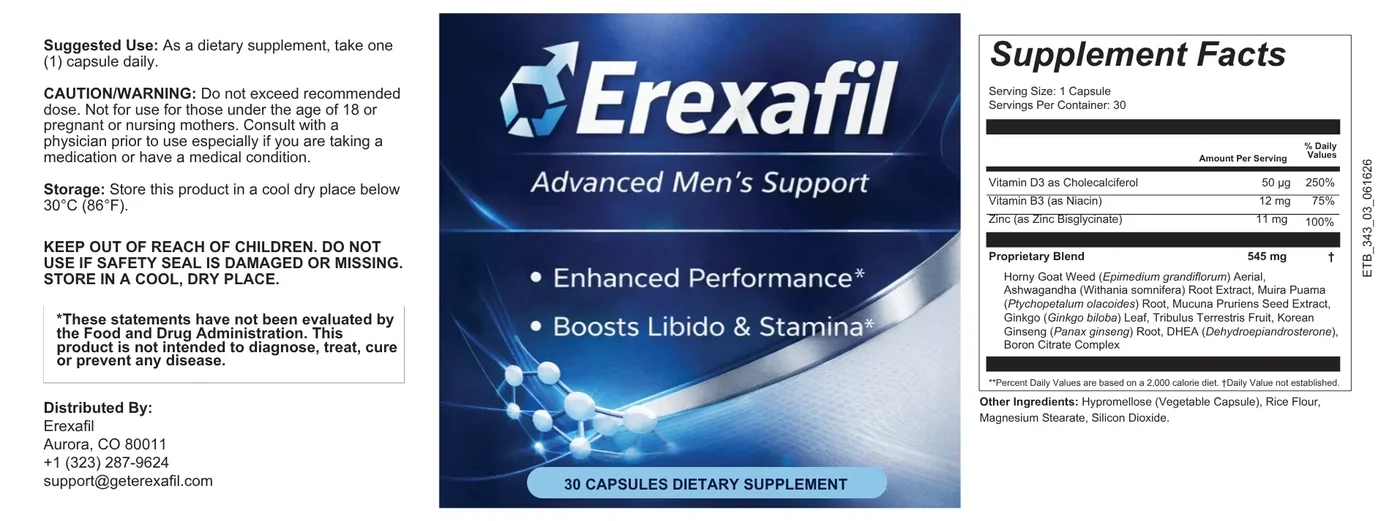
Where a supplement honestly fits
Here is the frank placement of supplementation in this list: it is one lever among several, and it works best on top of the others, not instead of them. A well-built formula can make it easier to cover the nutrients that matter — vitamin D, zinc, magnesium — and to add botanicals like ashwagandha and Korean ginseng that have reasonable human evidence for stress, vitality and self-reported function. What it cannot do is out-run poor sleep, excess weight, heavy drinking or a chronically sedentary routine. A pill layered on top of those is money spent papering over the very things that move the number most.
That is exactly how we position the product we publish about. Erexafil is a once-daily men's capsule pairing zinc as zinc bisglycinate, vitamin D3 and niacin with a named botanical blend, and its most sensible role is as the last lever in this list — a convenient way to help fill nutrient gaps and add studied botanicals once the foundational habits are in place. For a fuller picture of what supplements in this category can and cannot do, our evidence review on whether a natural testosterone booster actually works is the companion to this piece.
| Lever | What to aim for | Who gains most |
|---|---|---|
| Body weight | Sustained loss of excess fat, held over months | Men in the overweight or obese range |
| Resistance training | 2–4 sessions a week, progressive | Sedentary men and those losing fat |
| Sleep | 7–9 hours, consolidated and consistent | Anyone short-sleeping or shift-working |
| Stress | Lower sustained cortisol; protect downtime | Chronically stressed men |
| Alcohol | Reduce heavy or daily drinking | Regular heavy drinkers |
| Nutrients | Correct vitamin D, zinc, magnesium gaps | Men with a measured or dietary shortfall |
Three myths worth clearing up
Myth: there is a fast natural way to double your testosterone. There is not. The levers here work over weeks and months, and their size depends on how much you had to correct. A man restoring lost sleep and dropping excess weight can see a real change; a man already lean, rested and active has less headroom. Anything promising an overnight leap is selling a sensation, not a measurement.
Myth: the post-workout testosterone spike is what builds muscle and drive. That acute rise is small and temporary and is not the mechanism that matters. The durable benefit of training comes from staying lean, active and insulin-sensitive over time, which is a slow game, not a session-by-session one.
Myth: supplements can replace the lifestyle work. They cannot. A supplement is a gap-filler layered on top of the foundation, and layering it over poor sleep, excess weight or heavy drinking wastes most of its potential. If your symptoms are persistent or severe, that is a signal to get a blood test and a clinical assessment, not to buy a bigger bottle.
Medical note: this article is general information, not medical advice. Persistent fatigue, low libido or erectile difficulty needs a clinical assessment. Speak to a healthcare professional before starting any supplement, especially if you take medication or have a heart, blood-pressure, thyroid or hormone-sensitive condition — and note that products in this category, including Erexafil, can contain DHEA, a hormone.
Scientific references
- NIH Office of Dietary Supplements — Vitamin D Fact Sheet for Health Professionals
- NIH Office of Dietary Supplements — Zinc Fact Sheet for Health Professionals
- NIH Office of Dietary Supplements — Magnesium Fact Sheet for Health Professionals
- Mayo Clinic — Testosterone therapy: potential benefits and risks as you age
- Leproult & Van Cauter, JAMA 2011 — Effect of one week of sleep restriction on testosterone levels in young healthy men (PubMed)
Related reading
Frequently asked
What is the fastest natural way to increase testosterone?
There is no true overnight fix, but the fastest-moving levers are usually sleep and body weight. Restoring seven to nine hours of quality sleep can influence testosterone within weeks, because much of a man's daily testosterone is produced during sleep. For men carrying excess weight in the obese range, losing that weight can raise testosterone over months. Cutting heavy alcohol and adding resistance training compound the effect. Anything promising a change in days is describing a feeling, not a measured hormone level.
Does exercise really raise testosterone levels?
Exercise helps, mostly by preserving and supporting healthy testosterone rather than driving it sky-high. Resistance training, high-intensity interval work and regular aerobic exercise all contribute, and the biggest gains tend to appear in men who were previously sedentary or who lose fat in the process. The acute post-workout rise in testosterone is small and temporary; the durable benefit comes from staying lean, insulin-sensitive and active over months and years, which supports normal hormone function.
How much do sleep and stress affect testosterone?
A great deal. Much of a man's testosterone is produced during sleep, and short or fragmented sleep is one of the most consistent ways to depress it, with studies showing meaningful drops after as little as a week of restriction. Chronic stress raises cortisol, which works against testosterone, so managing stress supports normal hormone function. These two levers are free, powerful and routinely ignored in favour of a pill, which is exactly backwards for most men.
Which foods and nutrients support natural testosterone?
The nutrients with the clearest role are vitamin D, zinc and magnesium, because correcting a genuine shortfall in any of them supports normal testosterone. A balanced diet with adequate protein, healthy fats and enough total calories matters too, since very low-fat or heavily restricted diets can work against hormone production. Whole foods do most of the work; a supplement is useful mainly to fill a gap you cannot close through diet, not to push levels beyond normal.
Fill the nutrient gaps once the habits are in place
With training, sleep and weight moving the right way, Erexafil is a once-daily men's capsule that helps cover zinc and vitamin D3 and adds studied botanicals. See the full label and current options on the official store.
See Erexafil on the Official Store