Best Prostate Supplement on the Market: What Lycopene and Selenium Really Offer
Quick answer: do men need lycopene and selenium capsules?
Most men do not — food covers both, and in selenium's case the capsule route is where the trouble starts. Lycopene is a carotenoid absorbed far better from cooked tomato with a little oil than from a raw tomato or, in several studies, from an isolated supplement. Selenium is an essential mineral with a daily requirement of 55 micrograms and an upper limit of 400 micrograms, a narrow window that a Brazil-nut habit plus a multivitamin can quietly close.
- Lycopene: dietary evidence beats supplement evidence; cook the tomatoes and add fat.
- Selenium: essential at 55 mcg a day, risky above 400 mcg — more is not better.
- Neither prevents disease, and the large trial designed to test that question came back negative.

Lycopene: what it is and where it actually comes from
Lycopene is a carotenoid, one of the family of fat-soluble plant pigments that also includes beta-carotene and lutein. It is what makes tomatoes, watermelon, pink grapefruit and guava red. Unlike beta-carotene, lycopene is not converted into vitamin A in the body, so it has no vitamin role at all; its interest is entirely as an antioxidant compound that concentrates in certain tissues, prostate tissue among them. That tissue distribution is the entire reason it became a men's-health ingredient.
Two facts about absorption change how you should think about it. First, lycopene is locked inside plant cell structures, and heat releases it. Cooking a tomato increases the amount your gut can extract, and it also shifts some lycopene from the all-trans form found in raw fruit toward cis forms that appear to be absorbed more readily. Second, it is fat-soluble, so a fat eaten alongside it improves uptake substantially. This is why tomato paste, passata, a slow-cooked sauce with olive oil, or even tinned tomatoes will out-deliver a raw salad tomato by a wide margin, and it is why the classic Mediterranean preparation turns out to be sound nutritional engineering rather than folklore.
The evidence picture follows from that. Observational studies over several decades have linked higher intake of tomatoes and tomato products with more favourable prostate outcomes in men. Observational data cannot establish cause — men who eat more tomato sauce differ from men who do not in dozens of other ways — and when researchers moved to trials of isolated lycopene supplements, the results were far less impressive than the dietary correlations had suggested. That gap between "the food looks good" and "the extracted compound does not reproduce it" is one of the most repeated findings in nutrition science, and lycopene is a textbook case of it.
Selenium: essential, narrow window, and a famous negative result
Selenium is a trace mineral and a genuine nutritional requirement. It is built into selenoproteins, including the glutathione peroxidase enzymes that form part of the body's antioxidant defence, and into enzymes involved in thyroid hormone metabolism. Deficiency is real and has recognised consequences. In most of the developed world, however, ordinary diets supply enough: the recommended dietary allowance for adults is 55 micrograms a day, and seafood, meat, eggs, dairy and grains grown in selenium-containing soil all contribute.
The upper limit is where selenium becomes unusual. The tolerable upper intake level for adults is 400 micrograms a day from all sources — only about seven times the requirement, which is a much narrower margin than most nutrients allow. Chronic intake above it can produce selenosis: brittle or shedding hair and nails, a garlic-like odour on the breath, skin rash, nausea, irritability and fatigue. Brazil nuts deserve a specific warning here because their selenium content varies dramatically with the soil the tree grew in, so a daily handful can supply anything from a sensible amount to several times the upper limit.
Then there is the trial. A very large randomised study was designed specifically to test whether selenium and vitamin E supplements could reduce prostate cancer risk in healthy men. It did not find the protective effect it was built to detect. The vitamin E arm produced a signal in the opposite direction, and the study is now taught as one of the clearest cautions in supplement science: a well-supported hypothesis, a plausible mechanism, an enormous well-run trial, and a negative answer. Anyone selling selenium for prostate protection today is selling a hypothesis that was tested and did not hold.
Judging a formula by its panel, not its promises
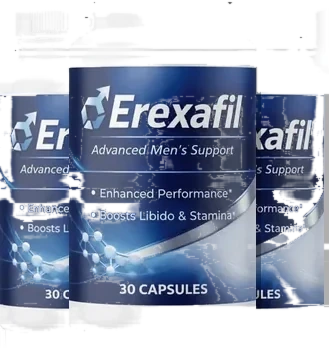
Erexafil publishes its full nutrient amounts — vitamin D3, niacin, zinc and a named botanical blend — so you can weigh it against the ranges in this article rather than against a headline. Current options are on the official store.
Check Availability & PricingAmounts, forms and what a label should tell you
Nutrient supplements live or die on form. Selenium as selenomethionine behaves differently from sodium selenite, and lycopene from a tomato oleoresin behaves differently from a synthetic crystalline form suspended in a capsule. A label that names the form is giving you information; one that says only "selenium 200 mcg" is giving you a number without a context.
The same discipline applies to the minerals that appear alongside these nutrients on a men's panel, where upper limits matter as much as reference intakes. We work through the amounts, the forms and the ceilings in our guide to zinc, magnesium and boron — and the recurring lesson is identical: adequacy is the target, and exceeding it buys side effects rather than results.
| Nutrient | Common form | Reference amount | Strength of evidence for men's health |
|---|---|---|---|
| Lycopene (food) | Cooked tomato, paste, sauce with oil | No RDA; a few servings weekly is the pattern studied | Consistent observational associations, no proof of cause |
| Lycopene (supplement) | Tomato oleoresin or synthetic, softgel | Commonly 10–30 mg daily on labels | Weaker than the dietary data; trials largely disappointing |
| Selenium | Selenomethionine, selenium yeast | RDA 55 mcg; upper limit 400 mcg daily | Essential nutrient; supplementation trials negative for prostate risk |
| Selenium (food) | Seafood, eggs, meat, grains, Brazil nuts | Brazil nuts vary hugely per nut | Adequacy is the goal, not excess |
| Zinc | Bisglycinate, gluconate, oxide | RDA 11 mg for adult men; upper limit 40 mg | Clear role in male reproductive health; extra does not add benefit |
| Vitamin E | Alpha-tocopherol | RDA 15 mg for adults | High-dose supplementation performed poorly in the large prostate trial |
| Vitamin D3 | Cholecalciferol | Varies with status and testing | Deficiency correction matters; routine high dosing does not |
Read that column of "reference amounts" next to any men's formula and one habit becomes obvious. The nutrients with a clear requirement — zinc, selenium, vitamin D — should sit at sensible multiples of the requirement, not at three-figure percentages chosen to look impressive on a panel. Adding a second product on top of a multivitamin is how men accidentally cross an upper limit without ever taking a single "high-dose" capsule.
Nutrition has an asymmetry that marketing hates: for essential minerals, being below the requirement is a problem worth fixing, and being above it is a problem you paid to create.
Why the best prostate supplement on the market is usually a shopping basket
Search for the best prostate supplement on the market and you will find dozens of blends promising the same thing. What almost none of them mention is that the dietary pattern behind the encouraging observational data is not a capsule at all: cooked tomato products with olive oil, a spread of coloured vegetables, fish, nuts and seeds in normal amounts, less processed meat and less alcohol, plus the boring structural factors — weight, activity, blood pressure and sleep — that influence urinary comfort more than any pill in this category.
That is not a counsel of despair or an argument that supplements are pointless. It is an argument about ordering. Fix the base, then consider whether a specific nutrient gap remains, then choose a product on the strength of its panel. Men who work in that order tend to buy less and get more. Men who start at the ranking page tend to end up with three overlapping products and no idea which is providing what. If a prostate-specific product is what you are after, the two botanicals with actual randomised trials behind them are covered in our guide to pumpkin seed and nettle root for prostate support, which is a better starting point than a nutrient blend. For the pattern behind those ranking pages, see our breakdown of how prostate supplement star ratings get gamed.
If what you actually want is general male vitality support rather than a prostate-specific nutrient stack, that is a different product category with a different ingredient list. Erexafil's daily men's formula is built around ginseng, ashwagandha, horny goat weed, zinc and vitamin D3, and we would rather say plainly that it is not a lycopene or selenium product than let the categories blur.
The interactions and cautions worth knowing
Lycopene at dietary amounts is about as benign as an ingredient gets. Very high intakes of carotenoid-rich foods can tint the skin a harmless orange, which resolves when intake drops. Concentrated lycopene supplements have been discussed in relation to blood pressure and to blood thinning at high doses, which is worth mentioning to a prescriber if you take antihypertensives or anticoagulants, though the effects reported are small.
Selenium warrants more care. It has been reported to interact with cisplatin chemotherapy, and high intakes have been associated in observational research with adverse metabolic outcomes, which is another reason to treat the 400 microgram ceiling as a real boundary rather than a formality. If you take a multivitamin, a men's formula and a separate mineral product, add up the selenium across all three before assuming you are nowhere near it. Anyone with thyroid disease should raise selenium with their clinician specifically, because of its role in thyroid hormone metabolism.
What lycopene and selenium cannot do
They cannot prevent, treat or reverse any disease, and no supplement may be sold on that basis. They cannot substitute for screening: whether and when to have a PSA test is a decision to make with a clinician who can explain what a raised result would and would not mean, and no dietary choice changes the value of that conversation. They cannot be assumed to reproduce dietary findings in capsule form — the lycopene literature is the standing demonstration that they often do not. And in selenium's case the supplement version has already been tested at scale for exactly the purpose men are sold it for, and it did not deliver.
One final limit that applies to us. This article summarises nutrient science, not any particular product, and we have not seen a clinical trial of any finished men's supplement on the market, including the ones we cover. That is a real gap and we would rather name it than write around it.
Medical note: this article is general information, not medical advice. Prostate and urinary symptoms need a clinical assessment. Speak to a healthcare professional before starting any supplement, especially if you take medication or have a heart, blood-pressure, thyroid or hormone-sensitive condition — and note that products in this category, including Erexafil, can contain DHEA, a hormone.
Scientific references
- NIH Office of Dietary Supplements — Selenium Fact Sheet for Health Professionals
- Klein et al., JAMA 2011 — Vitamin E and the risk of prostate cancer: the Selenium and Vitamin E Cancer Prevention Trial (SELECT) (PubMed)
- NIH Office of Dietary Supplements — Vitamin E Fact Sheet for Health Professionals
- Harvard T.H. Chan School of Public Health — The Nutrition Source: Tomatoes
- Ilic et al., Cochrane Database of Systematic Reviews 2011 — Lycopene for the prevention of prostate cancer (PubMed)
Frequently asked
Should men take lycopene and selenium supplements for the prostate?
For most men, food is the better route for both. Lycopene from cooked tomato products with a little oil is absorbed far better than from raw tomato, and dietary evidence for lycopene is stronger than supplement evidence. Selenium is an essential mineral with a daily requirement of 55 micrograms for adults, an intake most people already meet, and large randomised trials of selenium supplements did not find the benefit that was hoped for.
Why is cooked tomato better than raw for lycopene?
Heat and fat both help. Cooking breaks down the plant cell walls that trap lycopene and converts some of it to a form the body absorbs more readily, and because lycopene is fat-soluble, eating it with olive oil or another fat raises absorption further. That is why tomato paste, passata and a cooked sauce deliver more usable lycopene per gram than a raw salad tomato.
How much selenium is too much?
The tolerable upper intake level for adults is 400 micrograms per day from all sources, and the recommended dietary allowance is 55 micrograms. Chronic intakes above the upper limit can cause selenosis, with symptoms such as hair and nail brittleness or loss, a garlic odour on the breath, skin rash, nausea and fatigue. Brazil nuts vary enormously in selenium content, so a few a day can approach the limit on their own.
Do lycopene or selenium prevent prostate disease?
No, and no supplement may be sold or described as preventing any disease. Observational studies have linked tomato-rich diets with prostate outcomes, but observation cannot establish cause, and the large randomised trial designed to test selenium supplementation for prostate cancer risk did not find a protective effect. Treat both as ordinary nutrition and discuss screening with a clinician.
Looking at a men's daily formula instead?
Erexafil is a once-daily vitality capsule with its amounts printed on the panel. If you are still working out where to buy prostate supplements and want to compare a vitality formula alongside them, the official store lists the current options.
See Erexafil on the Official Store